
In this course, Library Professional Nirupama Kaushik shares a simple strategy to make stock checking easier and more efficient by turning it into a monthly routine instead of an annual task. Regular stock checks help keep library collections organized while reducing the stress of yearly audits.
Keywords: Stock Checking, Library Inventory, Collection Management, Shelf Checking, Library Organization, Micro-Routine, Library Maintenance, Accession Register, Book Tracking, Student Helpers, Library Audit, Book Repair, Missing Books, Library Management, Collection Health

This course features Shahana Sheikh, Primary School Librarian at The Somaiya School, Mumbai, who shares how to create and maintain a Library Portfolio. Learn practical ways to document library activities, showcase student engagement, and capture your library’s impact throughout the year.
Keywords: Library Portfolio, Library Documentation, Library Activities, Library Programme Planning, Reading Promotion, Student Engagement, Library Events, Visual Documentation, Library Impact, Library Displays, Reading Culture, Student Voice, Library Reflection, Digital Portfolio, Library Management
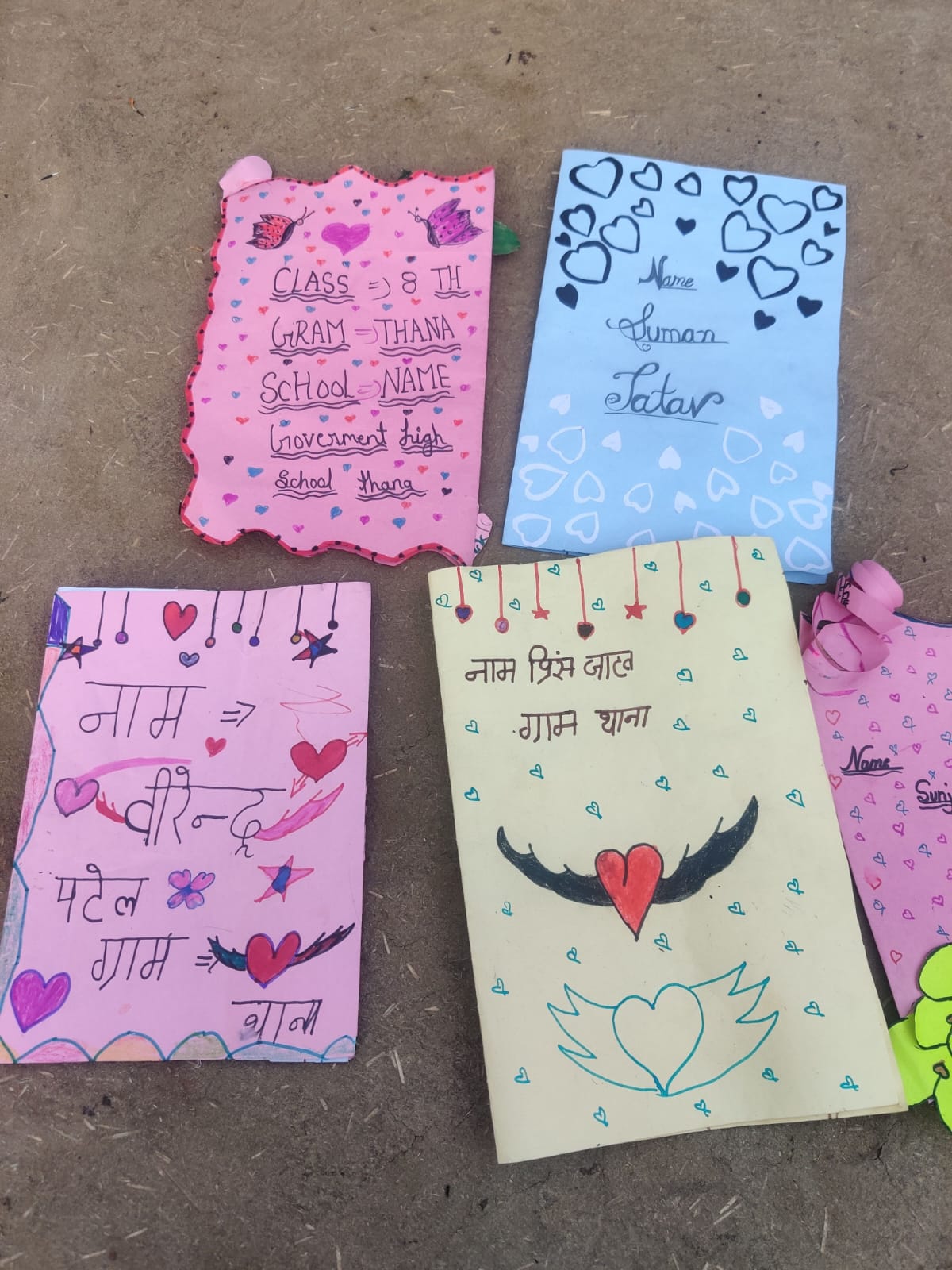
This tutorial features Riya Banerjee, Trainer and Mentor at Vikramshila Education Resource Society, who shares a simple way to create personalized library cards using everyday materials. The activity helps build library habits, encourages creativity, and fosters a sense of ownership and responsibility in children's reading journeys.
Keywords: Ria Banerjee, Personalized library cards, Library engagement, Student ownership, Reading responsibility, Library membership, Creative activities, Book tracking, Reader identity, Library participation, Student motivation, Library management, Belonging, Reader reflection
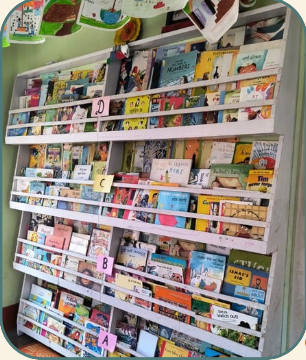
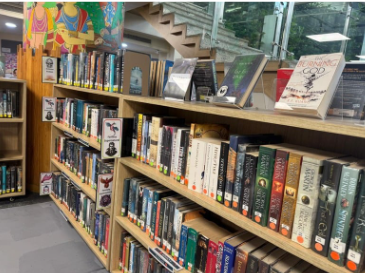
This tutorial features librarian Gizelle Rodrigues, who explains how genrefying a library helps children find books based on their interests while encouraging them to explore new genres. Learn how organizing books by genre can make browsing simpler, more engaging, and enjoyable for readers of all ages.
Keywords: Library Genrefication, Genre-Based Organization, Library Browsing, Reader Engagement, Book Discovery, Genre Labels, Library Display, Student Choice Reading, Library Circulation, Reading Interests, Library Organization, Genre Categories, Library Accessibility, Reading Variety, Reader Development